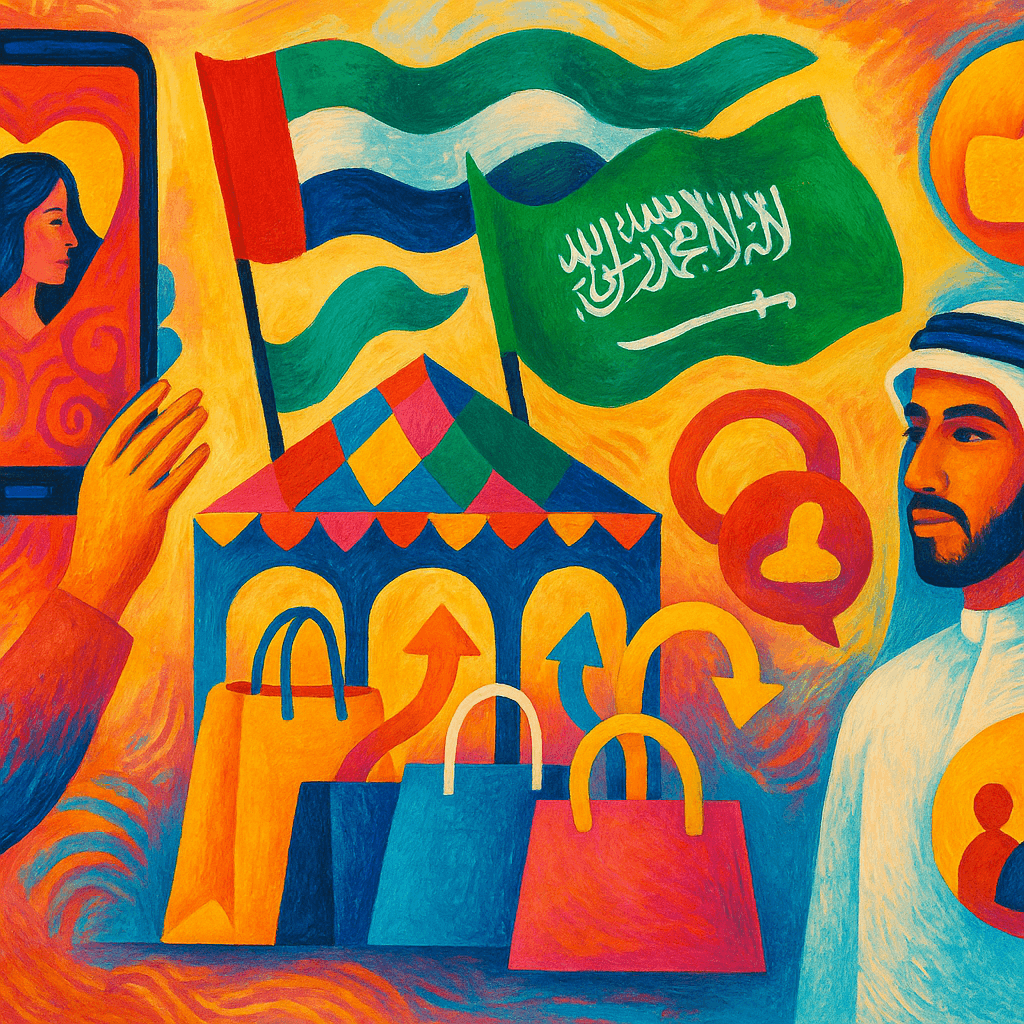

Tripoli’s Digital Resilience: Youth Forging a Social Commerce Economy
Tripoli, Libya’s capital, is emerging as a surprising hub for digital innovation. Despite ongoing political instability and economic uncertainty, the city’s youth are spearheading a social commerce revolution. Through creativity and resourcefulness, they are transforming limited formal marketplaces into vibrant networks of online trade and services.
Social Commerce Thrives Amidst Scarcity
In Tripoli, Facebook and Instagram act as primary marketplaces where young sellers promote and sell goods directly to customers. Messaging apps play a key role in managing orders and customer communication. Informal delivery networks, including bicycle couriers and ride-hailing services like the Turbo app, facilitate last-mile logistics. These grassroots e-commerce models allow many to operate despite the lack of traditional retail infrastructure.
Digital Payments Power Growth
Frequent cash shortages and unreliable banking have pushed Tripoli’s population toward digital payment methods. Mobile money, e-wallets, and POS terminals have become widely adopted tools. The Central Bank of Libya supports this shift by encouraging electronic transactions, which help reduce dependence on physical cash. Digital payments improve transaction speed and security within this informal economy.
Youth-Led Innovation and Community
Young entrepreneurs, coders, and designers are at the heart of Tripoli’s digital economy. Women play a prominent role, with many running online shops or providing freelance services. Informal tech hubs and co-working spaces offer venues for collaboration and skill sharing. Startups like Mataa demonstrate early successes in combining technology with local market needs.
Overcoming Hurdles, Eyeing the Future
Challenges remain, including limited venture funding, absence of formal e-commerce regulations, and infrastructure gaps. However, the determination of Tripoli’s youth points to substantial potential ahead. With targeted support in fintech, logistics, and regulatory frameworks, this grassroots social commerce economy could grow into a major driver of economic recovery and innovation in the region.
Tripoli’s example offers valuable lessons for entrepreneurs and strategists worldwide. It shows how digital tools and social platforms can create new opportunities in complex environments when conventional systems fall short.