
The Evolution of Malls: From Consumption Hubs to Circular Communities
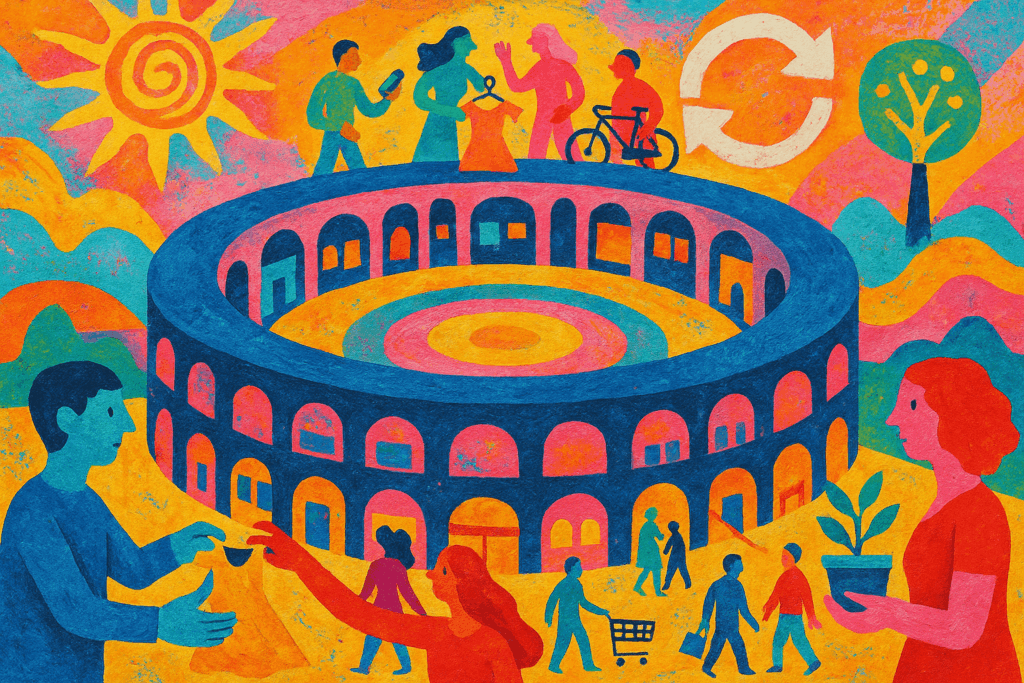
Traditional shopping malls are undergoing a profound transformation. Moving away from linear consumption models that focus solely on transactions, malls today are becoming circular shopping complexes that emphasize sustainability, community, and ongoing customer engagement. By integrating services such as repair, resale, and rental, these spaces are creating dynamic environments where consumers reconsider ownership and consumption patterns. Leveraging their existing infrastructure and management expertise, malls are reinvented as vibrant hubs that cultivate long-term relationships rather than one-time sales.
Why Physical Spaces Are Key for Digital Natives and Social Engagement
Despite being digital natives, Gen Z consumers increasingly seek authentic, in-person experiences. They value spaces that foster social interaction while aligning with their values around sustainability and conscious consumption. Circular services, including product repair stations, resale markets, and rental options, introduce opportunities for “curated coincidence” — spontaneous social encounters that enrich the shopping experience. These interactions act as strong customer-relationship drivers that digital-only platforms often struggle to replicate, helping brands build trust, loyalty, and a sense of belonging within their communities.
Lessons for Social Commerce and Marketplaces
Social commerce platforms and online marketplaces can draw meaningful insights from this physical retail evolution. First, fostering genuine social connections through digital community-building features can replicate the trust and engagement found in circular malls. Introducing circular economy concepts online, such as enabling resale, rentals, or repair services, offers differentiation and aligns with consumer demands for sustainability. Additionally, creating curated online experiences that encourage spontaneous interactions among customers, sellers, and brands can deepen engagement. Emphasizing transparency, shared values, and interactive content can turn social commerce into a true community, bridging the gap between online convenience and offline authenticity.
In sum, the circular shopping complex model reveals a powerful blueprint for social commerce platforms seeking to cultivate deeper customer relationships. By integrating community-driven, sustainable practices and creating spaces for social interaction—whether physical or digital—marketplaces and brands can foster loyalty and trust in a competitive digital landscape.