
DTC Models: A Strategic Imperative, Not a Passing Trend
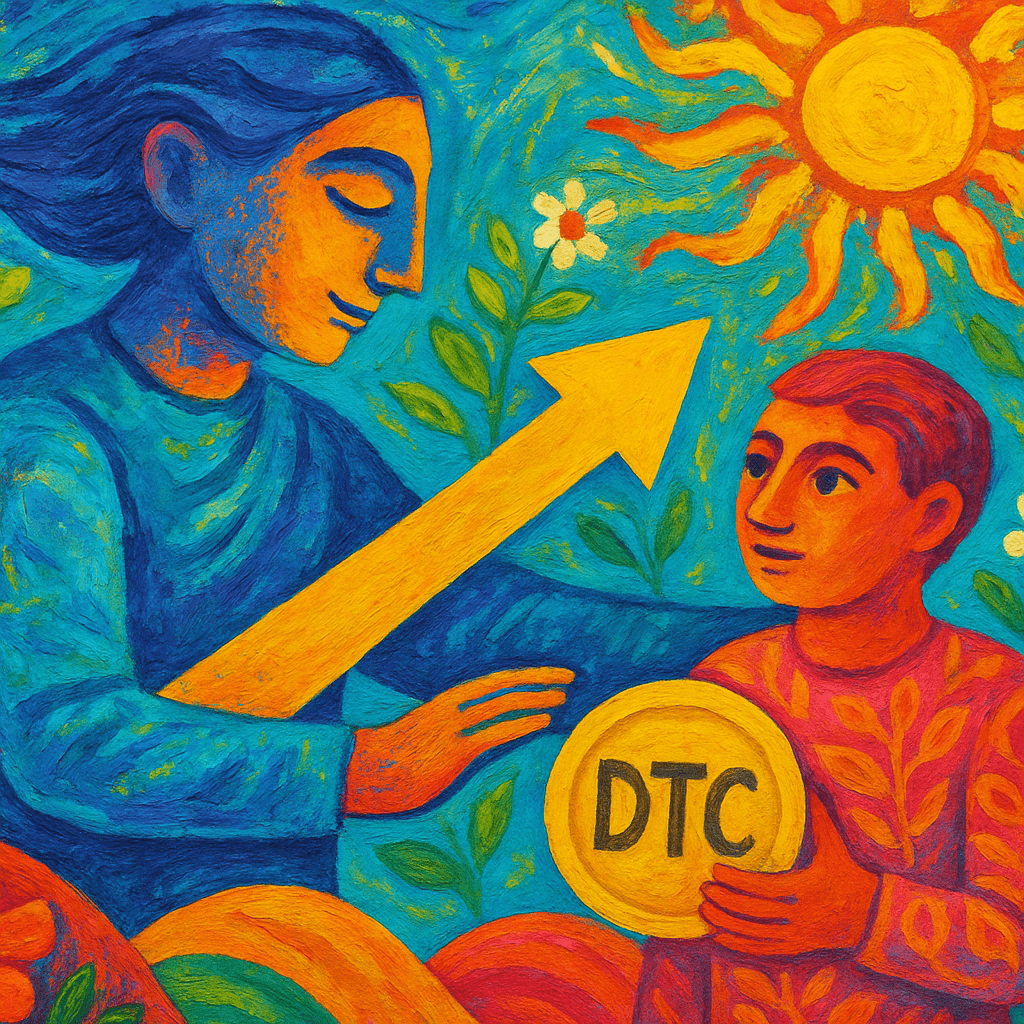
Direct-to-Consumer (DTC) models are redefining how businesses engage with customers, unlocking a permanent transformation rather than a temporary experiment. This strategic shift moves market power closer to consumers by simplifying supply chains and enabling companies to tailor interactions directly. With the rise of digital infrastructure, firms across sectors, including the pharmaceutical industry, demonstrate how DTC approaches improve operational agility and deepen customer relationships.
Driving Efficiency and Customer Connection
DTC frameworks streamline distribution by removing intermediaries, lowering costs while improving speed to market. This efficiency creates a more responsive operation where companies can adapt to customer demands faster, providing tailored product offerings and exclusive experiences. The direct link to consumers also generates rich data streams, which inform product development, pricing strategies, and personalized marketing efforts. Businesses gain greater control over brand perception and customer loyalty in this model.
Key Considerations for Direct-to-Consumer Success
Safeguarding Data and Operational Compliance
With increased consumer data collection, companies face heightened responsibility to protect privacy and comply with regulatory standards. DTC strategies necessitate robust cybersecurity measures and transparent data governance protocols. Meeting regulatory requirements across different jurisdictions is complex but essential to maintain trust and operational continuity. Firms must integrate these safeguards seamlessly to manage risk without disrupting customer flow or experience.
Crafting a Seamless Customer Journey
Delivering a cohesive, frictionless experience is vital to sustaining the advantages of DTC models. Investments in unified digital platforms connecting customer service, ordering, fulfillment, and feedback channels create consistent interactions. Artificial Intelligence and automation play an important role in anticipating consumer needs and personalizing engagement. A seamless journey builds satisfaction and converts buyer interest into long-term loyalty.
The Future of Direct: Personalization and Adaptability
Looking ahead, personalization stands as a defining element of successful DTC strategies. Data analytics enable businesses to tailor product offerings, communications, and experiences at an individual level, fostering deeper connections. Flexibility in operations and supply chains will allow companies to respond swiftly to changing market dynamics and emerging consumer trends. As competitive pressures intensify, DTC models will continue to evolve through innovation in technology and strategy, solidifying their role as foundational to modern commerce.
Understanding the strategic advantages and operational demands of Direct-to-Consumer models equips business leaders to position their companies for sustainable growth in an increasingly customer-centric economy.