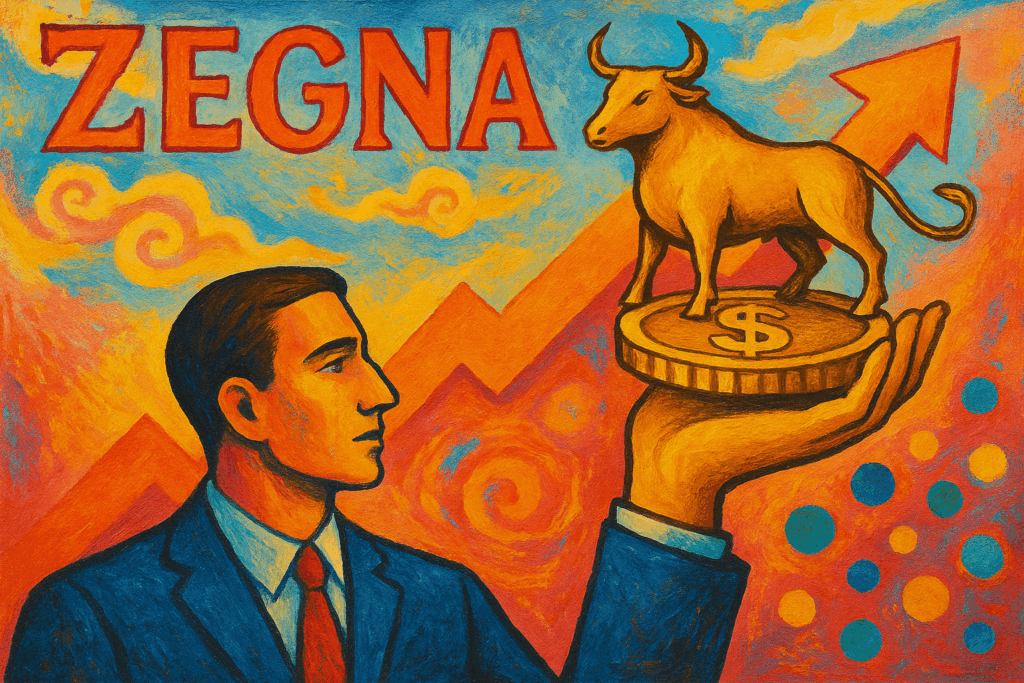

The Imperative for Modern Brands
In an evolving retail landscape, direct-to-consumer (DTC) strategy is no longer optional for brands aiming to maintain relevance and competitiveness. Its adoption has transformed how brands engage with customers and optimize their operations. Today, DTC serves as a central pillar for companies seeking to control their narrative, pricing, and customer experience without intermediaries.
Driving Performance: Key Impacts of DTC
Deepening Customer Connections
DTC enables brands to build direct and meaningful relationships with their customers. By engaging customers firsthand, companies gain actionable insights on preferences and behaviors. This direct engagement cultivates stronger loyalty and allows brands to adapt offers swiftly, reinforcing customer retention and lifetime value.
Optimizing Revenue and Margins
By cutting out middlemen, DTC brands retain a greater share of revenue and enjoy improved margins. This streamlined approach reduces distribution complexities and costs while offering pricing flexibility. Additionally, ownership over the sales channel presents opportunities for upselling and personalized marketing that traditional retail often limits.
Measuring Success: Beyond the Balance Sheet
The benefits of a robust DTC strategy extend beyond immediate financial statements. Strong direct customer engagement translates into enhanced brand equity and customer advocacy, factors that contribute to long-term market valuation. Investors and industry leaders increasingly view successful DTC execution as an indicator of sustainable growth and resilience in competitive markets.
Sustaining Momentum in a Dynamic Market
Maintaining a competitive edge requires continuous innovation within the DTC model. Brands must leverage data-driven insights to evolve offerings and anticipate consumer trends. Building flexible operational infrastructures and investing in seamless customer experiences are key to preserving the advantages gained through DTC strategies. As market dynamics shift, brands that harness this agility are better positioned to secure ongoing growth and shareholder value.