
Marketplaces: Redefining Channel Strategy
Retail marketplaces have evolved far beyond simple distribution channels. Once seen primarily as platforms to sell products, marketplaces now serve as strategic tools that provide brands with valuable audience data, insight into consumer behavior, and opportunities for demand validation. This shift reframes marketplaces as essential elements in a multi-channel ecosystem rather than isolated sales outlets.
Marketplaces for Proof, DTC for Value
Marketplaces: Validating Demand and Reach
Marketplaces offer brands immediate access to diverse customer bases and real-time sales data. This environment enables brands to test new products, validate consumer demand, and adjust offerings based on marketplace performance signals. Such demand proof reduces the risks associated with broader market expansion and informs product-market fit decisions.
DTC: Building Relationships and Valuation
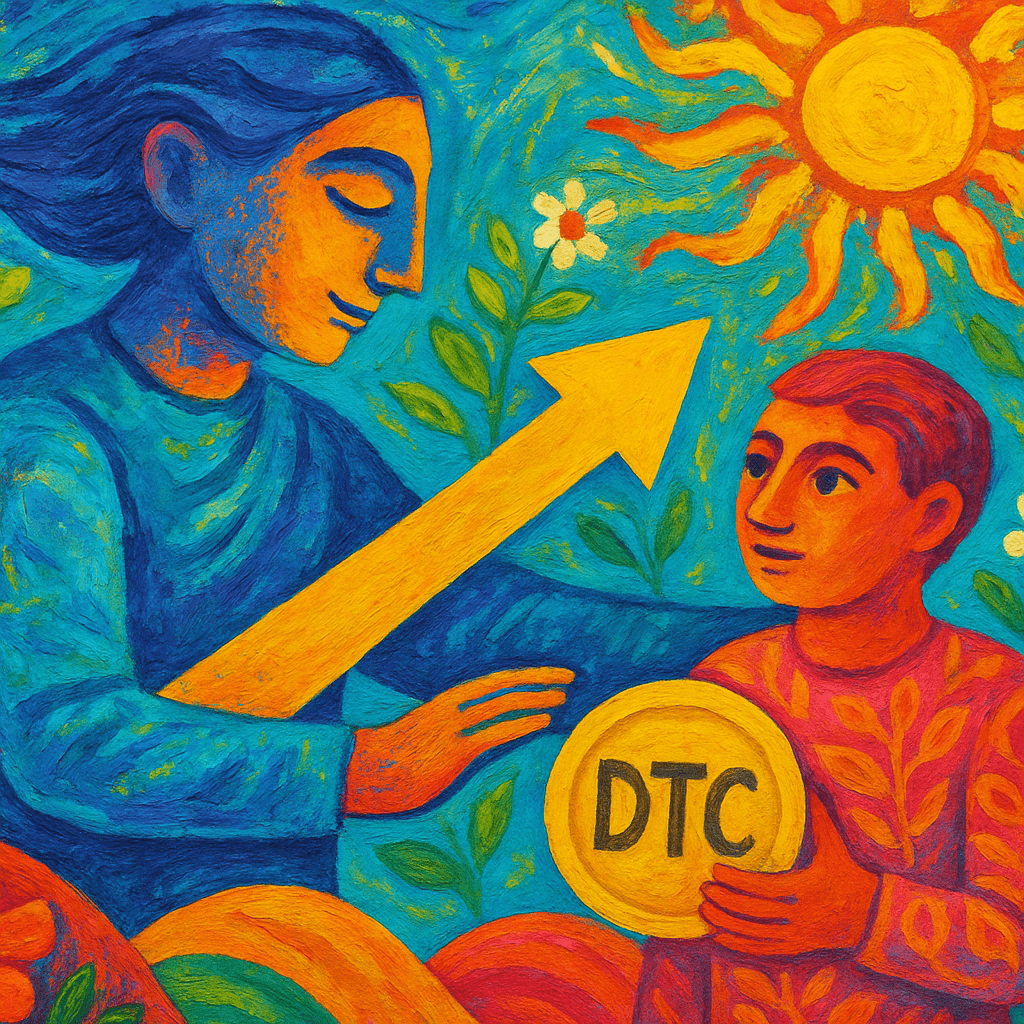
Direct-to-consumer (DTC) channels serve a complementary role by establishing direct relationships with customers. Unlike marketplaces, DTC platforms provide brands with greater control over branding, customer experience, and data ownership. This control fosters customer loyalty, higher margins, and predictable revenue streams, all of which strengthen long-term enterprise value and brand valuation.
The Integrated Channel Approach
Effective brands recognize that marketplaces, DTC channels, and physical retail are interconnected components of a cohesive channel strategy. Marketplaces act as testing grounds that validate demand, while DTC builds a sustainable base of customers and brand equity. Physical retail complements these efforts by enhancing brand presence and experiential engagement. This integrated approach satisfies expectations from investors, landlords, and partners by demonstrating diversified sales avenues, risk mitigation, and scalable growth potential.
Strategic Takeaway
Brands that treat marketplaces as part of a broader value strategy position themselves for sustainable growth. Marketplaces supply proof points and reduce uncertainty, while DTC drives meaningful customer engagement and valuation. Combining these with physical retail creates an interdependent network of channels designed to maximize enterprise value. The modern channel strategy shifts focus from choosing “where to sell” to understanding “why to sell” through each channel, enabling more informed decisions that align with long-term growth objectives.